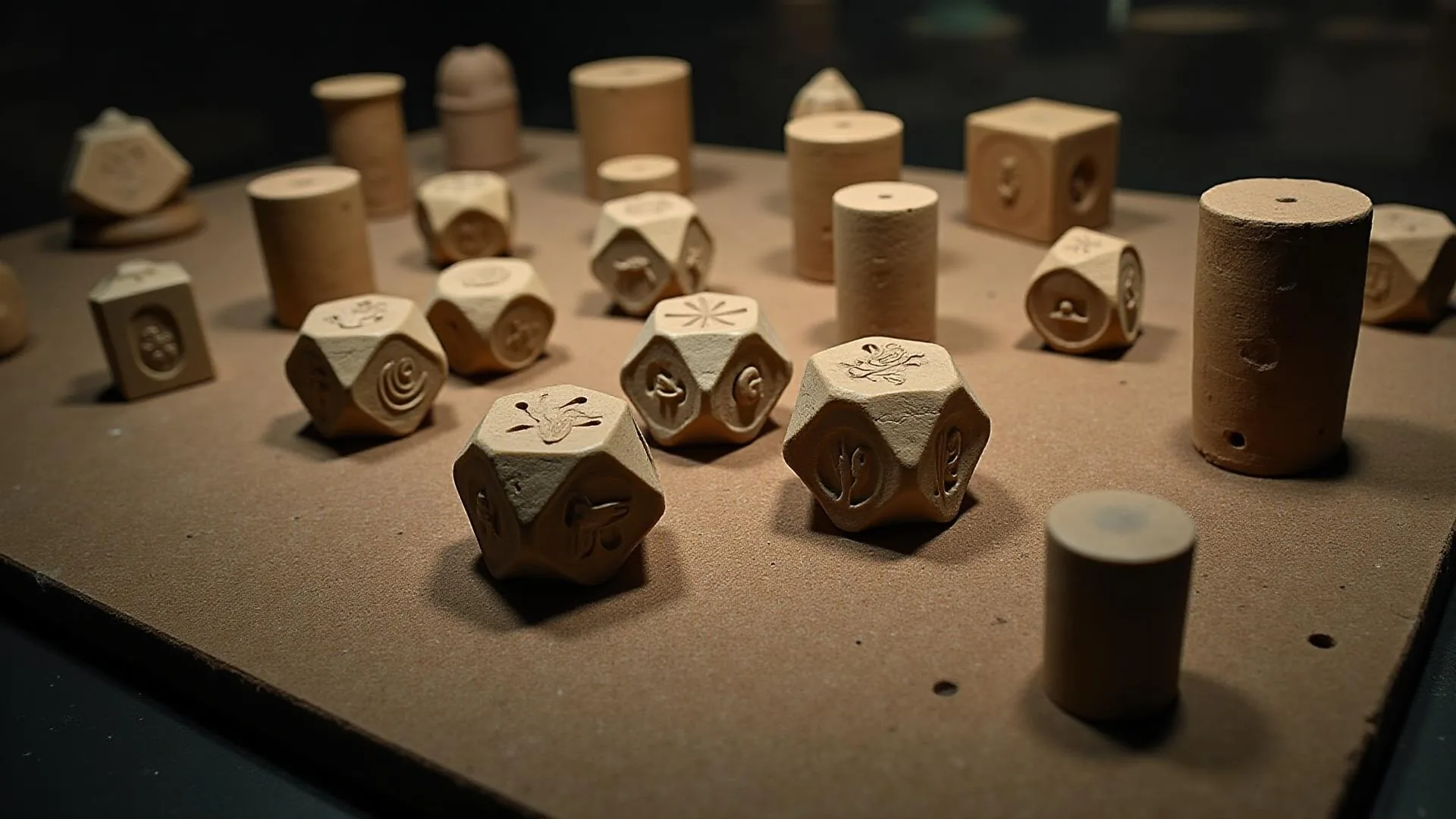
The Ancient History of Dice
Rolling Through 5,000 Years of Gaming
Dice are among humanity's oldest gaming tools, with archaeological evidence dating back to 5000 BCE. These simple objects have shaped cultures, influenced mathematics, and brought joy to countless generations.
Origins in Ancient Mesopotamia
The earliest known dice were discovered in the Royal Cemetery of Ur, dating to 2600-2400 BCE. These ancient dice were made from various materials including bone, wood, and precious stones. Mesopotamian civilizations used dice not only for games but also for divination and religious ceremonies.
Egyptian Dice Games
Ancient Egyptians played Senet, one of the world's first board games, using throwing sticks and dice. The game was so important that it was included in burial chambers, as Egyptians believed it would help the deceased navigate the afterlife. Dice found in Egyptian tombs were often elaborately decorated with hieroglyphs.
Roman Dice Culture
Romans were passionate dice players, with games ranging from simple gambling to complex strategic games. The Latin phrase 'Alea iacta est' (The die is cast), famously attributed to Julius Caesar, shows how deeply dice were embedded in Roman culture. Roman dice were remarkably similar to modern six-sided dice.
Asian Dice Traditions
In ancient China and India, dice games were equally popular. Chinese dice often featured different markings than Western dice, and were used in traditional games that are still played today. Buddhist and Hindu texts reference dice games, showing their cultural significance across Asian civilizations.