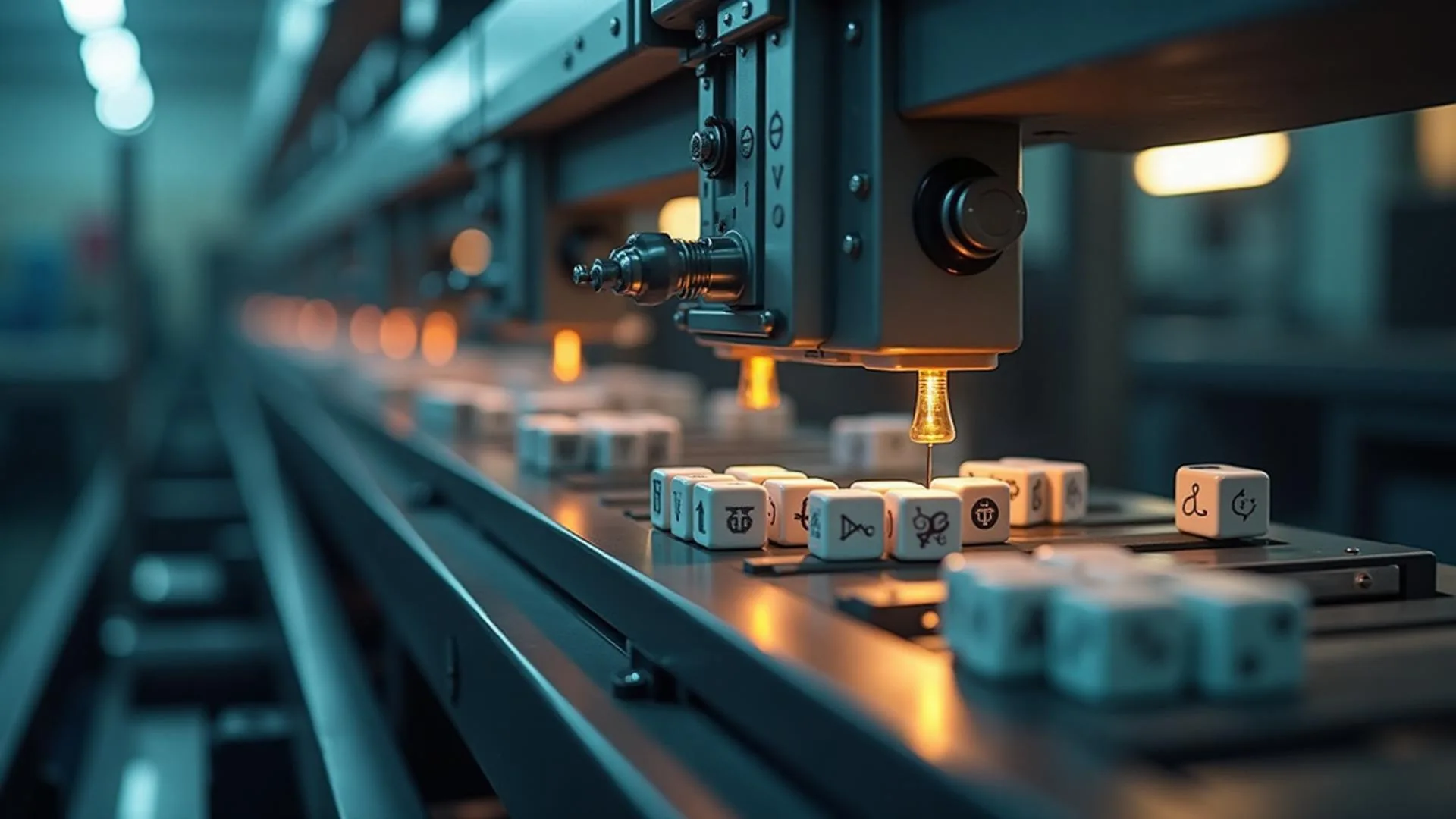
How Dice are Made
From Raw Materials to Perfect Cubes
The manufacturing of dice combines ancient craftsmanship with modern precision, creating these simple yet perfect objects that have remained essentially unchanged for millennia.
Material Selection
Modern dice use various materials, each with specific properties. Plastic dice offer affordability and consistency, while metal dice provide weight and durability. Wooden dice bring natural beauty, and crystal or stone dice offer uniqueness. Each material requires different manufacturing approaches and tools.
Precision Engineering
Creating fair dice requires incredible precision. Even tiny variations in weight distribution can affect randomness. Computer-controlled machinery ensures perfect angles, equal face sizes, and balanced mass distribution. Quality control involves testing thousands of rolls to verify randomness.
Production Processes
Injection molding dominates mass production, forcing molten material into precise molds. CNC machining creates high-end dice by cutting away material with computer precision. Hand-crafting produces artisanal dice where masters use traditional tools and techniques passed down through generations.
Quality Control
Professional dice undergo rigorous testing. Balance tests ensure even weight distribution, while dimension checks verify perfect geometry. Statistical analysis of roll results confirms randomness. Casino-grade dice require even stricter standards with documented testing protocols.
Specialized Dice
Beyond standard dice, manufacturers create specialized versions: precision gaming dice for competitive play, collectors' dice using exotic materials, novelty dice with unique shapes or markings, and professional casino dice with security features and perfect balance.