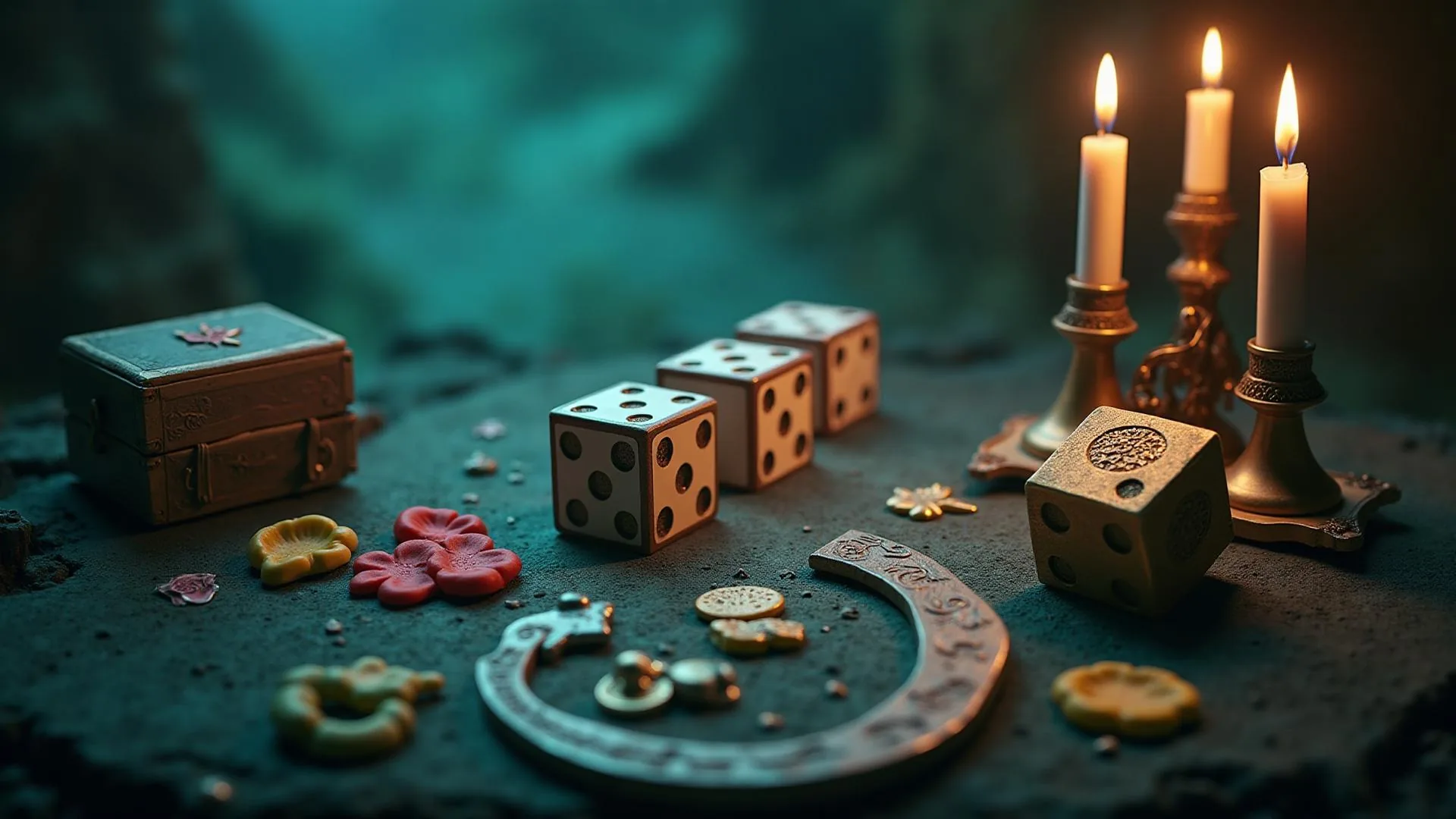
Dice Superstitions & Luck
The Mystical Side of Random Chance
Across cultures and centuries, humans have attributed magical properties to dice, creating elaborate rituals and beliefs around these simple objects that generate pure randomness.
Historical Beliefs
Ancient civilizations viewed dice as divine communication tools. Roman soldiers carried dice for protection, believing gods spoke through their rolls. Medieval Europeans thought certain dice were cursed or blessed, with elaborate cleansing rituals to purify unlucky dice.
Gambling Superstitions
Casino culture breeds countless dice superstitions: blowing on dice for luck, specific throwing techniques, lucky numbers, and avoiding certain combinations. Players develop personal rituals, believing their actions influence random outcomes despite mathematical impossibility.
Cultural Variations
Different cultures have unique dice beliefs. Asian traditions emphasize feng shui placement and auspicious numbers. Western superstitions focus on hot and cold streaks. Indigenous cultures often incorporate dice into spiritual ceremonies and fortune-telling practices.
Modern Persistence
Despite scientific understanding of randomness, dice superstitions persist. Gamers have lucky dice, special rolling techniques, and elaborate pre-game rituals. The human need to find patterns in chaos keeps these beliefs alive in digital age gaming.
Psychology of Belief
Superstitions provide psychological comfort and sense of control over uncertainty. They create meaning from randomness and community through shared beliefs. Understanding why we create these myths reveals deep truths about human nature and our relationship with chance.